
Living in an HOA community in Eastern North Carolina comes with many benefits – maintained common areas, consistent property values, and a sense of community. But occasionally, neighbor conflicts can arise that test even the most harmonious communities. The good news? Most issues can be resolved quickly and amicably when you know the right steps to take.
Whether you’re dealing with a noisy neighbor, parking disputes, or maintenance concerns, your HOA can be a valuable ally in finding solutions. Let’s walk through a practical, drama-free approach to resolving neighbor issues that protects relationships while maintaining community standards.
Understanding Your HOA’s Role in Neighbor Disputes
Before reaching out to your HOA board or management company, it’s important to understand what they can and can’t do. Your HOA isn’t a mediation service for every disagreement, but they do have specific tools and authority when community rules are involved.
What Your HOA Can Address:
- Violations of community covenants and restrictions
- Noise complaints that exceed established quiet hours
- Parking violations in common areas or reserved spots
- Pet policy violations (unleashed dogs, excessive barking, waste cleanup)
- Property maintenance issues that affect community appearance
- Architectural violations (unauthorized modifications, paint colors, fencing)
- Common area misuse or damage
What Falls Outside HOA Authority:
- Personal disputes unrelated to community rules
- Issues occurring entirely on private property that don’t violate covenants
- Conflicts about property lines or boundaries (these require legal consultation)
- Criminal matters (these should go directly to law enforcement)
Step 1: Try Direct Communication First
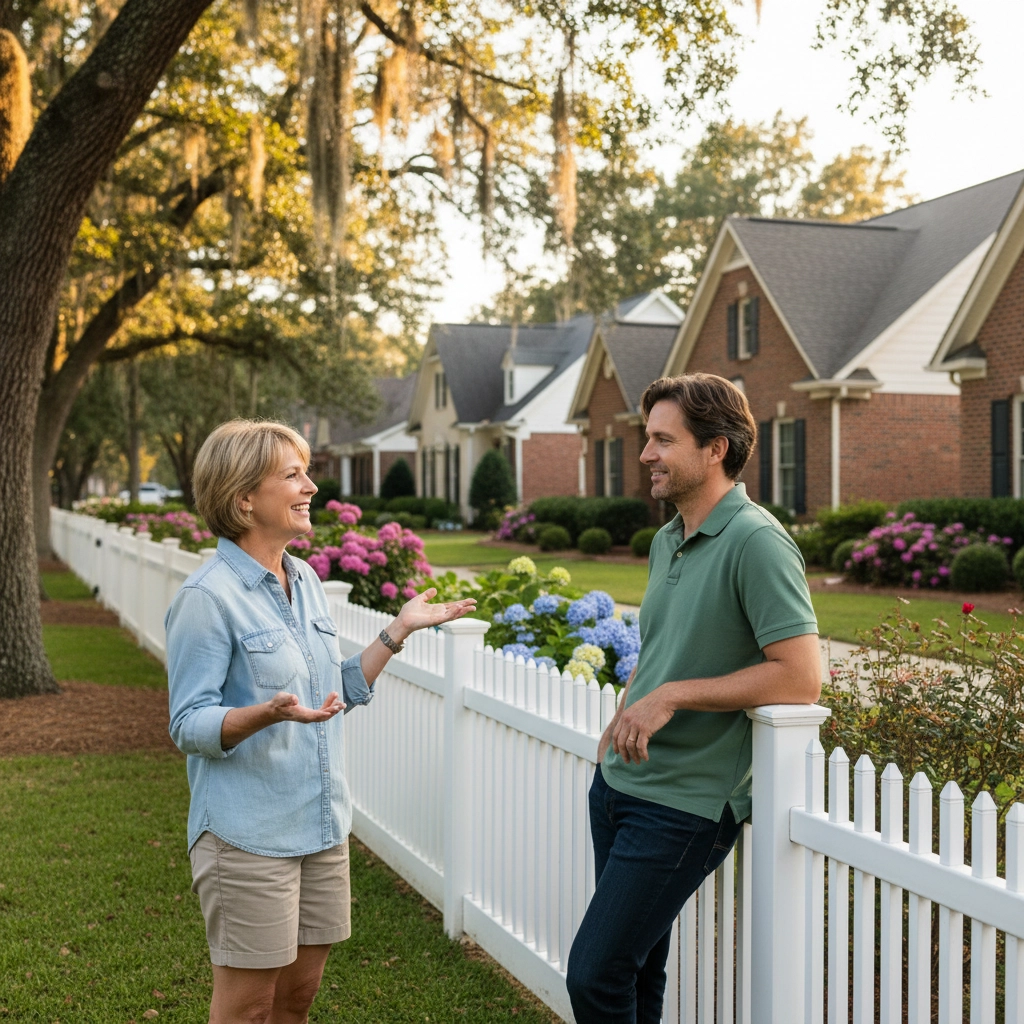
Most neighbor conflicts stem from misunderstandings or lack of awareness rather than malicious intent. Before involving your HOA, consider approaching your neighbor directly with a friendly, solution-focused conversation.
Tips for Successful Neighbor Communication:
- Choose a calm moment when both parties can talk without distractions
- Focus on the specific behavior or issue, not personal character
- Listen to their perspective – they may be unaware of the problem
- Suggest practical solutions rather than just pointing out problems
- Keep the conversation respectful and neighborly
For example, if your neighbor’s dog barks excessively early in the morning, they might not realize it’s happening while they’re getting ready for work. A polite conversation could lead to simple solutions like bringing the dog inside earlier or addressing underlying anxiety issues.
HOA Neighbor dispute resolution
Step 2: Document Everything
Whether you resolve the issue directly or need to escalate it, proper documentation is crucial. This isn’t about building a case against your neighbor – it’s about having clear facts if the situation requires formal intervention.
What to Document:
- Dates and times of incidents
- Specific details about what occurred
- Photos or videos (when appropriate and legal)
- Any conversations or correspondence with your neighbor
- Impact on your enjoyment of your property
- Steps you’ve taken to resolve the issue
Keep your documentation factual and objective. Avoid emotional language or speculation about your neighbor’s motives.
Step 3: Review Your Community’s Governing Documents
Before filing a complaint, review your HOA’s covenants, conditions, and restrictions (CC&Rs) and community rules. This helps you determine whether the issue actually violates established guidelines and gives you specific rule references when communicating with your board or management company.
Common areas covered in Eastern NC HOA documents include:
- Quiet hours and noise restrictions
- Pet policies and leash requirements
- Parking regulations and guest parking limits
- Architectural approval processes
- Property maintenance standards
- Use of common areas and amenities
If you need help understanding your community’s governing documents, most professional management companies can clarify specific rules and their applications.
Step 4: Contact Your HOA or Management Company
When direct communication doesn’t resolve the issue and community rules are being violated, it’s time to involve your HOA. If your community works with a professional management company like HOA ENC, this process becomes much smoother and more objective.
Benefits of Working with Professional Management:
Professional management companies bring valuable expertise to neighbor disputes. They understand North Carolina HOA law, have experience with similar situations, and can provide neutral third-party perspective that helps prevent conflicts from escalating.
At HOA ENC (www.hoaenc.com), we’ve helped countless Eastern NC communities resolve neighbor disputes efficiently and fairly. Our team knows how to balance individual concerns with community-wide interests, often finding creative solutions that work for everyone involved.
How to File a Complaint:
- Contact your management company or board in writing (email or formal letter)
- Include specific details about the violation and relevant rule references
- Attach your documentation (photos, incident log, etc.)
- Request a timeline for response and next steps
- Be clear about what resolution you’re seeking

Step 5: The HOA Investigation Process
Once you’ve filed a complaint, your HOA or management company will typically follow a structured process:
Initial Review: The management team or board reviews the complaint against community governing documents to determine if a violation has occurred.
Notice to Violating Party: If a violation is confirmed, the neighbor receives written notice explaining the specific rule violation and requesting compliance within a reasonable timeframe.
Follow-Up: The HOA monitors the situation to ensure the issue is resolved. Many problems are fixed quickly once the violating party understands the community rules.
Formal Hearing: If the violation continues, most HOAs will schedule a formal hearing where both parties can present their perspectives to the board.
Resolution and Enforcement: The board makes a decision based on community rules and may impose fines, require corrective action, or take other enforcement measures as outlined in your governing documents.
Common Eastern NC Neighbor Issues and Solutions
Noise Complaints: These often involve lawn equipment used outside designated hours, loud music or parties, or barking dogs. Solutions typically include clarifying quiet hours, suggesting soundproofing measures, or working out compromise schedules for activities.
Parking Disputes: Limited parking in many Eastern NC communities can create friction. HOAs can enforce designated parking areas, implement guest parking time limits, or create temporary solutions during large gatherings.
Pet Issues: From unleashed dogs to waste cleanup problems, pet-related disputes are common but usually easy to resolve through education and consistent rule enforcement.
Property Maintenance: Issues like overgrown landscaping, exterior repairs, or storage of items in visible areas can affect property values and community appearance. Most homeowners address these quickly once they understand community standards.
The Role of Mediation
Sometimes, despite everyone’s best efforts, neighbor conflicts require additional help. North Carolina encourages mediation as a cost-effective alternative to litigation, and many HOAs now include mediation clauses in their governing documents.
Professional mediators help both parties communicate effectively and find mutually acceptable solutions. This process is particularly helpful when the conflict has escalated beyond the specific rule violation to include personal animosity or miscommunication.
For more complex disputes, consider reaching out to community mediation centers throughout Eastern North Carolina, which offer affordable services designed to help neighbors find common ground.
Preventing Future Conflicts
The best neighbor disputes are the ones that never happen. Here are some proactive steps that benefit everyone in your community:
Clear Communication: Many HOAs are improving their communication methods, using newsletters, community websites, and social media to keep residents informed about rules, events, and important updates.
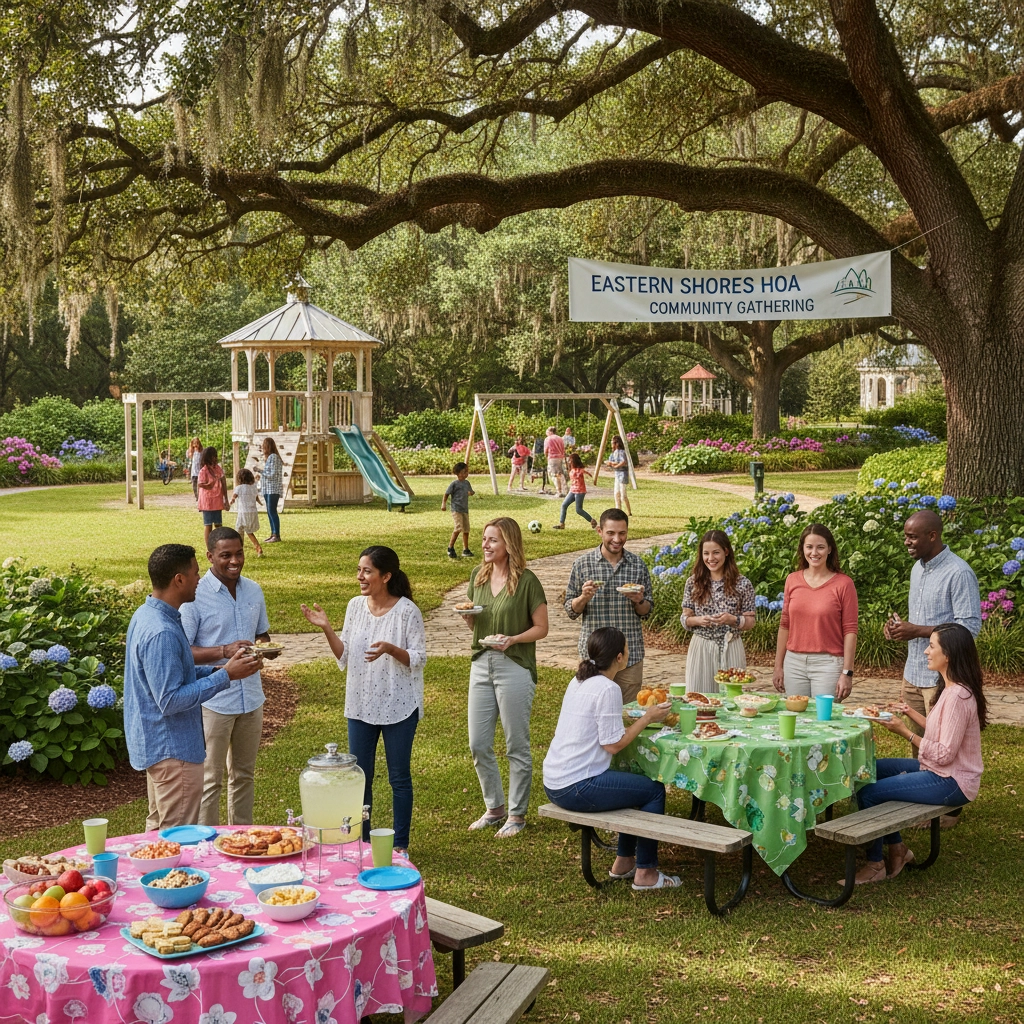
Community Events: Regular social gatherings help neighbors get to know each other as people, making future conflicts less likely and easier to resolve when they do occur.
Regular Rule Reviews: Communities should periodically review their governing documents to ensure rules remain relevant and reasonable. What made sense when your community was built might need updating as demographics and lifestyles change.
New Resident Orientation: Many Eastern NC communities now provide welcome packets and orientation sessions for new residents, helping them understand community expectations from day one.
When to Seek Additional Help
Most neighbor disputes can be resolved through your HOA’s normal processes, but some situations require additional resources:
- Legal Issues: Boundary disputes, covenant interpretation questions, or situations involving potential property damage may require legal consultation
- Criminal Behavior: Issues involving threats, vandalism, or other criminal activity should be reported to local law enforcement immediately
- Persistent Violations: Some situations require ongoing monitoring and progressive enforcement measures
Professional management companies like HOA ENC have networks of legal, mediation, and other professional resources to help communities handle complex situations effectively.
Moving Forward Positively
Remember that your goal isn’t to “win” against your neighbor – it’s to find solutions that allow everyone to enjoy their homes and community. Most neighbor conflicts can be resolved when people approach them with good faith, patience, and respect for established community standards.
Your HOA exists to help maintain the quality of life that drew you to your community in the first place. When conflicts arise, view them as opportunities to strengthen community relationships and clarify expectations for everyone’s benefit.
For questions about HOA dispute resolution, community management services, or help navigating neighbor conflicts in your Eastern North Carolina community, visit www.hoaenc.com or check out our frequently asked questions for additional guidance.
Living in harmony with your neighbors isn’t always easy, but with the right approach and professional support, most issues can be resolved quickly and positively. Your community – and your property values – will be stronger for it.
