
7 Proven Strategies for Effective HOA Board Management in Eastern NC
Running an HOA board in Eastern North Carolina comes with unique challenges: from hurricane season preparations to managing diverse communities across towns like Greenville, Winterville, and Washington. Whether you’re a first-time board member or a seasoned veteran, these seven proven strategies will help your eastern nc hoa thrive while keeping residents happy and your community well-managed.
Effective board management tips aren’t just theory: they’re practical solutions that work in real-world situations. Let’s dive into what actually makes HOA boards successful in our region.
Strategy 1: Build Rock-Solid Communication Channels
Communication breakdowns are the number one cause of HOA drama, but they’re completely preventable. Your eastern nc hoa needs multiple ways to reach residents, and residents need clear ways to reach you back.
Start with a monthly digital newsletter that covers board decisions, upcoming projects, and community events. But don’t stop there: create a simple community website or Facebook group where residents can ask questions and get quick answers. When Hurricane Florence hit our area, the HOAs with strong communication systems handled the crisis much better than those flying blind.
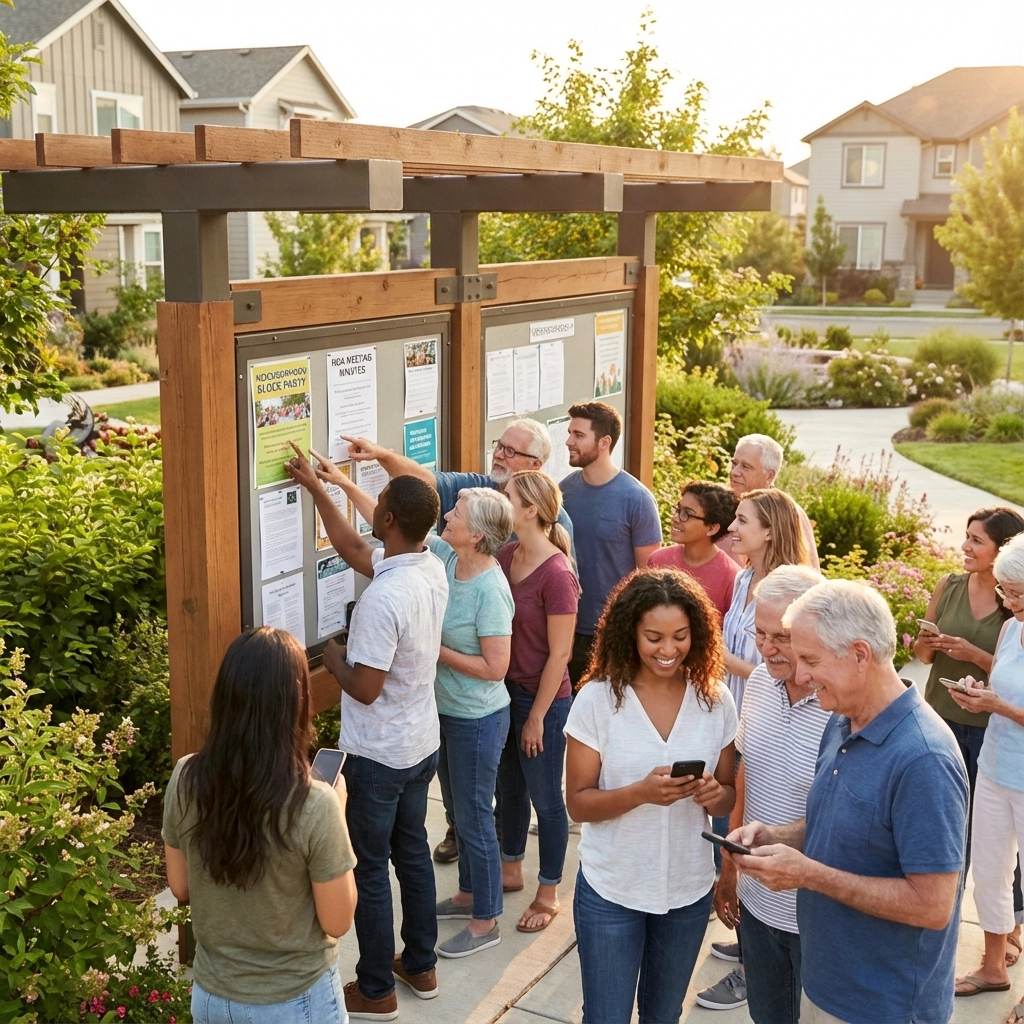
Consider setting up office hours where board members are available to chat with residents face-to-face. Even one Saturday morning per month can make a huge difference in community relations. Email works great for official business, but sometimes people just need to talk through their concerns in person.
The key is consistency. If you promise monthly updates, deliver them every month. If you say you’ll respond to emails within 48 hours, stick to it. Residents notice when boards follow through on their commitments.
Strategy 2: Master Financial Transparency
Money matters cause more HOA conflicts than any other issue. The solution? Complete transparency about where every dollar goes and why decisions are made.
Create a simple budget summary that regular homeowners can actually understand: skip the accounting jargon and explain things in plain English. When fees increase, don’t just announce the new amount. Show residents exactly what costs have gone up and why the increase is necessary.
For example, if insurance costs jumped 30% (unfortunately common in 2024-2025), show the actual insurance quotes and explain how this impacts the overall budget. Residents may not like fee increases, but they’ll accept them when they understand the reasoning.
Monthly financial reports should be standard practice. Post them on your community website, include highlights in your newsletter, and always be prepared to answer questions about major expenses during board meetings.
Strategy 3: Get Residents Actually Involved
Here’s a truth many boards don’t want to hear: resident apathy is often a symptom of poor board leadership, not lazy homeowners. People want to be involved in decisions that affect their homes and property values: they just need the right opportunities.
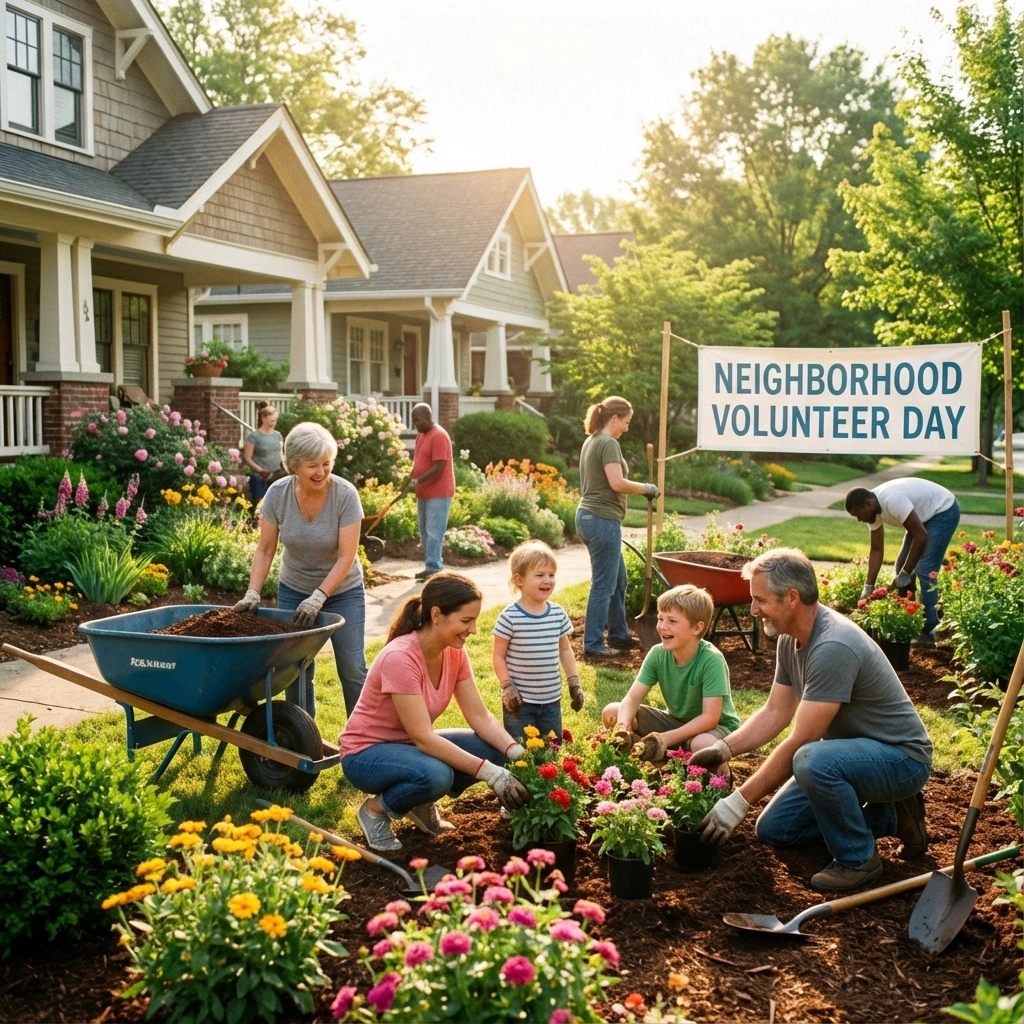
Create volunteer committees for different aspects of community life. A landscaping committee can help choose plants and maintenance schedules. A social committee can organize community events. An architectural review committee can help streamline approval processes.

These committees serve two purposes: they take some workload off board members, and they give residents a meaningful way to contribute. When people feel heard and valued, they’re much more likely to support board decisions and volunteer when help is needed.
Don’t forget about welcoming new residents. A simple welcome packet with HOA information, local business recommendations, and an invitation to the next community event goes a long way toward building community spirit.
Strategy 4: Define Crystal-Clear Board Roles
Too many HOA boards operate like a group of friends trying to make decisions together. That approach might work for choosing a restaurant, but it’s a disaster for managing a community association.
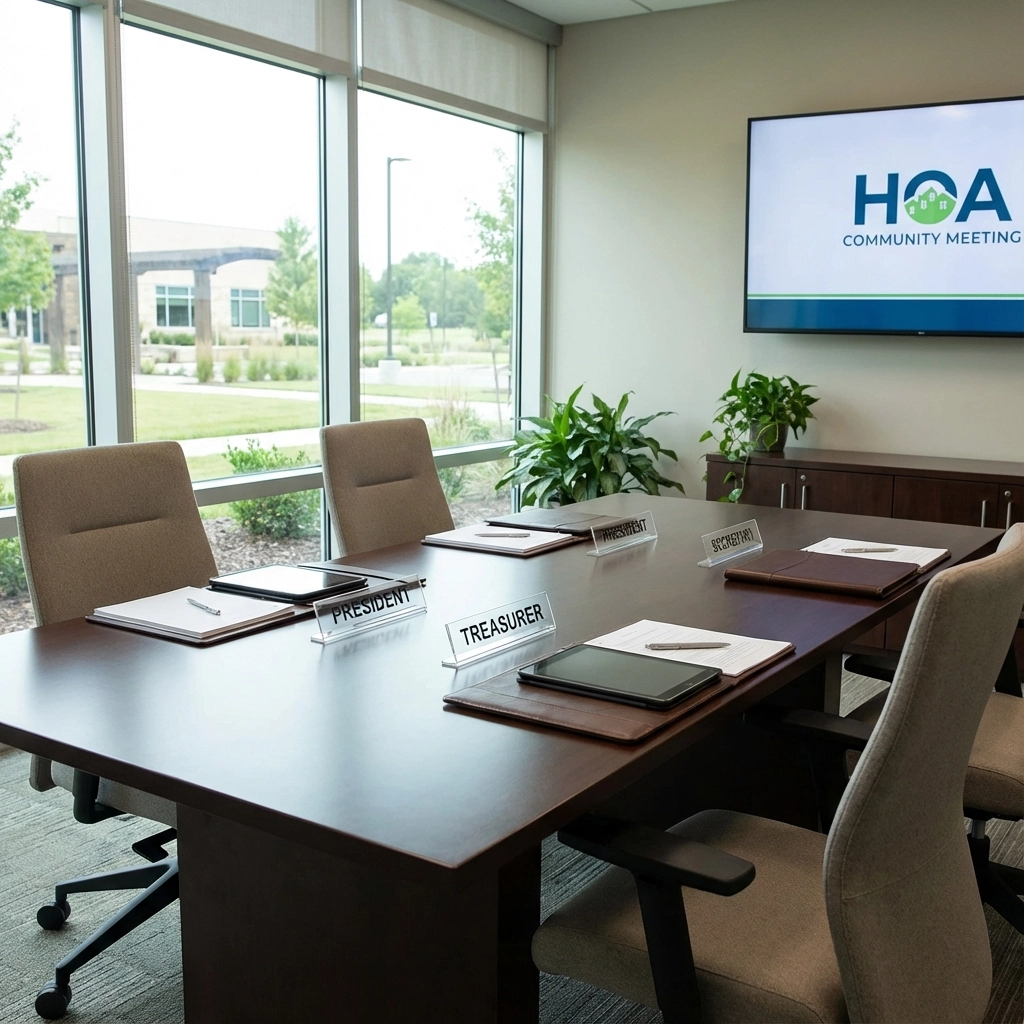
Every board position should have a written job description. The President leads meetings and represents the HOA in official matters. The Treasurer manages finances and provides budget reports. The Secretary keeps accurate meeting minutes and handles correspondence. Other board members should have specific areas of responsibility too.
Create a board handbook that outlines these roles, includes relevant contact information, and provides templates for common tasks. When new members join the board, they should be able to hit the ground running instead of figuring things out as they go.
Regular board training is crucial. North Carolina has specific laws governing HOAs, and board members need to understand their legal responsibilities. Many management companies offer training sessions, and the Community Associations Institute provides excellent educational resources.
Strategy 5: Run Meetings Like a Pro
Board meetings set the tone for everything else your HOA does. Chaotic, endless meetings create frustrated board members and disengaged residents. Well-run meetings get things done and keep everyone informed.
Start with a clear agenda distributed at least 48 hours before each meeting. Include time estimates for each item and stick to them. If a discussion goes longer than planned, table it for a future meeting or schedule a separate work session.
Follow Robert’s Rules of Order for formal decisions, but keep the tone conversational and welcoming. Residents should feel comfortable attending and asking questions during designated times.
Consider offering both in-person and virtual attendance options. Many working families can’t make weeknight meetings, but they can join via video call. Record meetings (where legally allowed) and post summaries for residents who can’t attend.
Executive sessions for sensitive topics like legal matters or personnel issues are sometimes necessary, but use them sparingly. The more business you can conduct in open session, the better.
Strategy 6: Budget Like Your Property Values Depend On It
Because they do. A well-managed budget protects property values and prevents special assessments that make residents furious.
Start your budget process early: at least three months before the fiscal year begins. Review the previous year’s actual expenses, not just the budgeted amounts. What cost more than expected? What came in under budget? Use this data to make realistic projections.
Reserve funds are non-negotiable. If your community doesn’t have adequate reserves for major repairs and replacements, you’re setting up future residents for massive special assessments. Conduct reserve studies every few years to ensure you’re saving enough for anticipated expenses.
Don’t forget to plan for the unexpected. Eastern North Carolina weather can be unpredictable, and storm damage costs can blow through budgets quickly. A modest contingency fund (even 5-10% of your annual budget) can save you from emergency assessments.
When presenting the budget to residents, focus on value. Show what their HOA fees accomplish: maintained common areas, insurance coverage, professional services, and reserve contributions that protect their investment.
Strategy 7: Stay Current on Laws and Get Professional Help
North Carolina HOA law changes regularly, and ignorance isn’t a defense when legal issues arise. Board members have a fiduciary responsibility to the community, which means you need to stay informed about your legal obligations.
The North Carolina Planned Community Act governs most HOAs in our state. Key areas include assessment collection procedures, architectural review requirements, and meeting notification rules. Violating these requirements can result in expensive legal problems for the association.
Consider working with a professional management company, especially for larger communities. Good management companies handle day-to-day operations, provide legal guidance, and keep boards focused on big-picture decisions rather than administrative details.
Even if you choose self-management, establish relationships with qualified professionals. You’ll need an attorney who specializes in HOA law, an accountant familiar with association finances, and reliable contractors for maintenance and repairs.
Local resources matter too. The greenville nc real estate market has unique characteristics that affect HOA communities, from student housing considerations near ECU to hurricane preparedness along our coastal areas.
Making It All Work Together
These seven strategies work best when implemented together, not in isolation. Great communication supports financial transparency. Clear roles make meetings more efficient. Professional support helps you avoid legal problems that destroy community relationships.
Remember, effective HOA board management isn’t about controlling every aspect of community life: it’s about creating an environment where residents are proud to live and property values remain strong. When boards focus on transparency, communication, and professional management practices, everyone benefits.
The eastern nc hoa communities that thrive long-term are those with boards committed to continuous improvement and resident engagement. Whether your community is in Greenville, Ayden, or anywhere else in Eastern North Carolina, these strategies will help you build the kind of neighborhood where people want to live and invest.
If you’re dealing with HOA management challenges or considering a move to a well-managed community, the local expertise at HOAENC can help you navigate the Eastern North Carolina market and find communities with strong leadership and management practices.
Have questions about board governance, budgets, or meetings? HOA board members and residents are welcome to reach out for guidance or a no-pressure consultation.
Contact HOAENC: www.hoaenc.com/faq or email info.hoaenc@gmail.com.
